The Importance of Court Reporting in Ensuring Accurate Legal Proceedings
Court reporting is an essential component of the legal system. It gives a precise and neutral document of court activities. This paperwork is vital for appeals and legal study, making certain that every talked word is caught precisely. The stability of legal proceedings counts greatly on these records. Nevertheless, the role of technology and developing practices raises questions about the future of court reporting and its effect on justice. What changes lie in advance?
The Function of Court Reporters in the Legal System
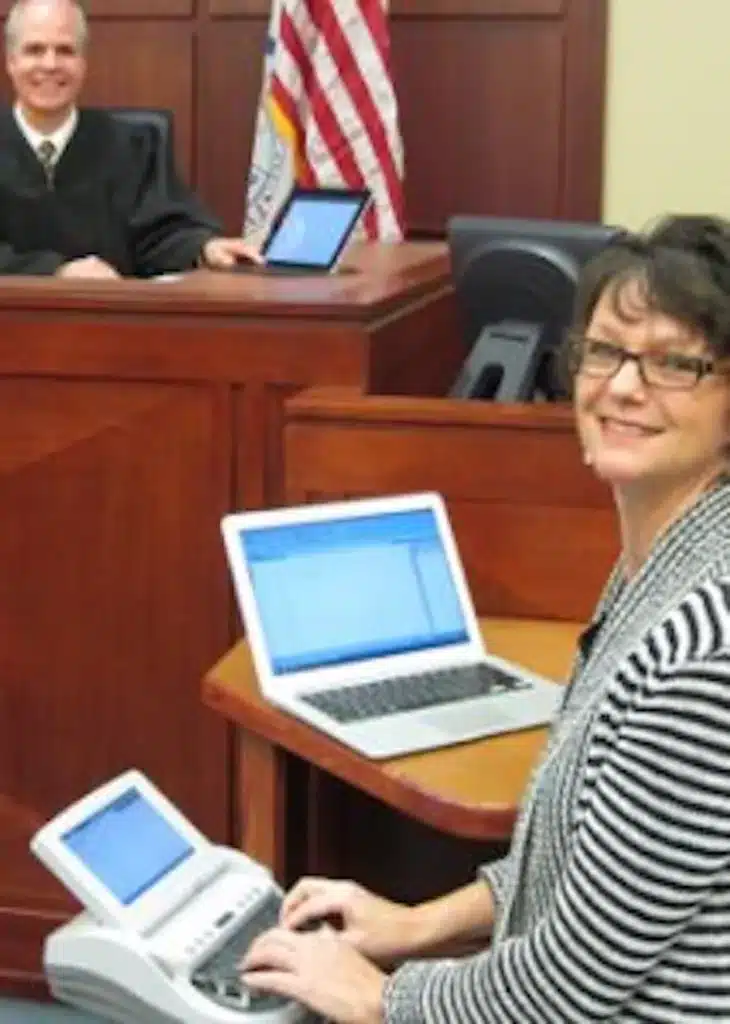
Court reporters play an important function in the legal system by giving exact and objective records of process. Their work warranties that courtroom discussions, witness statements, and legal debates are consistently documented, acting as an official document for future recommendation. This documents is important for appeals, legal study, and preserving the honesty of judicial processes. Stenotype reporter are trained experts experienced in stenography and different taping innovations, enabling them to catch talked words with precision. They need to have a detailed understanding of legal terminology and court room protocols, ensuring that their records meet the requirements called for by the judicial system. In addition, they may supply real-time transcription solutions, allowing attorneys and courts to access info immediately throughout proceedings. By satisfying these duties, stenotype reporter help with openness, liability, and the reasonable administration of justice, thus strengthening the fundamental concepts of the lawful system.
Making Certain Accuracy in Transcription
Accuracy in transcription is critical for preserving the stability of legal procedures. Court press reporters diligently record every word talked throughout tests, hearings, and depositions, assuring that the authorities document shows truth discussion and exchanges that happen. This accuracy is vital, as also small mistakes can result in considerable misconceptions or false impressions of the law.
To accomplish this level of accuracy, stenotype reporter utilize various methods, consisting of energetic listening and making use of specialized shorthand approaches. Continuous training and familiarity with legal terminology also boost their capability to create reliable transcripts.
The confirmation process is essential; reporters usually evaluate their transcripts for potential inconsistencies before last submission. This persistance not only upholds the top quality of legal documents but additionally supports the judicial procedure, allowing judges and attorneys to reference specific records when choosing. Ultimately, precise transcription cultivates rely on the lawful system and guarantees that justice is served.
The Influence of Technology on Court Reporting
As innovation proceeds to evolve, its influence on court reporting has actually come to be increasingly considerable. Digital recording systems and speech recognition software application have actually changed traditional practices, providing brand-new devices for recording talked discussion. These developments enhance effectiveness and access, enabling faster transcription and real-time reporting. Furthermore, cloud-based systems promote smooth sharing of transcripts, improving from this source collaboration among lawyers.
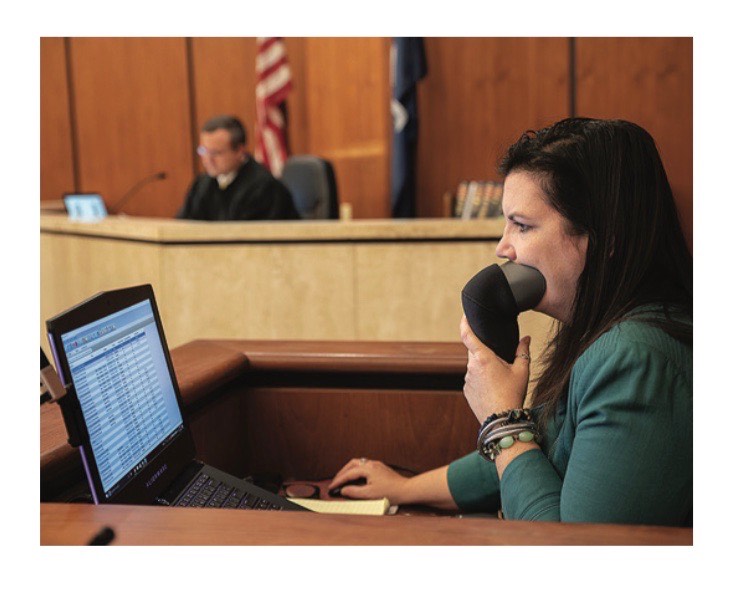
Eventually, while innovation improves the rate and availability of court reporting, it highlights the need for human oversight to keep the high quality and precision essential for lawful procedures. As the area proceeds to adapt, the assimilation of innovation will play a crucial function in shaping the future of court reporting.
The Significance of Discretion and Stability
Confidentiality and stability are fundamental concepts that underpin the practice of court reporting in legal procedures (durham court reporting). Stenotype reporter are handed over with sensitive info, needing them to maintain discernment and protect the privacy of all events involved. This privacy cultivates a trusting setting where witnesses and litigants can talk openly, guaranteeing that the lawful procedure is fair and just
Stability is just as vital; stenotype reporter must offer impartial and precise records, acting as the authorities record of the proceedings. Any type of gap in honesty can lead to misconceptions, possibly influencing case outcomes and undermining the judicial system.
Future Patterns in Court Reporting
The landscape of court reporting is progressing in feedback to technical advancements and the changing needs of the legal profession. Arising fads consist of the assimilation of artificial intelligence and real-time transcription services, which boost efficiency and precision. Court press reporters are significantly making use of electronic devices, such as cloud-based systems, enabling for seamless collaboration among lawful teams and much easier access to transcripts.
Furthermore, the surge of remote court procedures has triggered the development of specialized training for reporters in digital settings. This change not just adjusts to the demands of a globalized lawful landscape yet likewise addresses difficulties posed by geographical obstacles.
In addition, the focus on availability is driving advancements in transcription formats, ensuring see here that lawful papers deal with varied target markets. On the whole, the future of court reporting is defined by a blend of typical abilities and contemporary innovation, positioning press reporters as important gamers in the legal procedure.
Often Asked Questions
What Certifications Are Required to Come To Be a Court Reporter?
To come to be a court press reporter, individuals normally need a secondary school diploma, specialized training in court reporting, efficiency in shorthand or voice writing, and qualification or licensing, depending upon the territory and specific task needs. - durham court reporting
How Do Court Reporters Maintain Their Abilities In Time?
Court reporters preserve their abilities in time via constant education and learning, practice, and involvement with expert companies. They typically attend workshops, use innovative innovation, and take part in qualification programs to improve their proficiency and adapt to progressing standards.
What Difficulties Do Court Reporters Face in Their Occupation?
Court reporters experience many difficulties, including handling high-pressure atmospheres, adapting to diverse accents and dialects, keeping technological proficiency, guaranteeing accuracy under limited target dates, and handling emotionally billed testaments that might influence emphasis and performance.
Are Court Reporters Included in Various Other Lawful Settings Besides Courtrooms?
Court reporters are indeed entailed in numerous legal settings past courts, including depositions, arbitration hearings, and management procedures. Their know-how assurances accurate records in these atmospheres, adding to the quality and reliability of click this link lawful documentation.
How Do Stenotype Reporter Handle Stressful Situations During Process?
Stenotype reporter take care of difficult scenarios by preserving emphasis, employing efficient time monitoring skills, and using their training to remain calm. They usually practice deep breathing and use strategies to lessen distractions, making sure exact paperwork under stress.
Court reporting is an important part of the legal system. Court reporters play a necessary duty in the legal system by supplying exact and unbiased transcripts of process. Ultimately, while modern technology improves the speed and access of court reporting, it underscores the demand for human oversight to maintain the top quality and precision essential for legal procedures. Privacy and stability are basic concepts that underpin the technique of court reporting in lawful proceedings. Court reporters are indeed involved in various legal settings beyond courts, including depositions, settlement hearings, and administrative proceedings.